Introduction
Department of Biotechnology & Bioinformatics
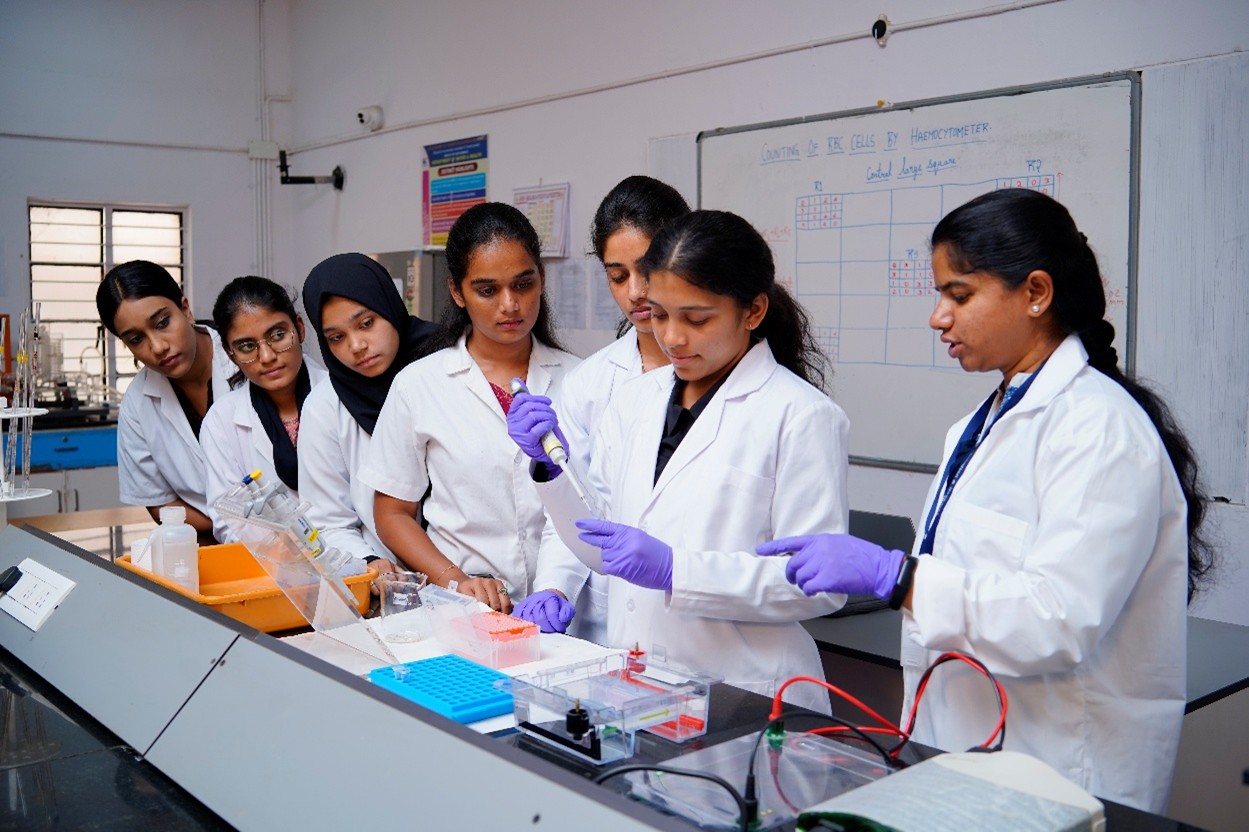
The Department of Biotechnology & Bioinformatics offers multidisciplinary academic programmes designed to provide students with strong theoretical knowledge, practical laboratory skills, computational expertise, and research-oriented training in the rapidly advancing fields of biotechnology and bioinformatics. The Department currently offers the following programmes:
- B.Sc. Biotechnology (Hons) – a comprehensive undergraduate programme that provides foundational knowledge in molecular biology, genetics, microbiology, biochemistry, immunology, and environmental biotechnology.
- B.Sc. Computational Biology & Bioinformatics (Hons) – introduced during the academic year 2024–25, this programme integrates biological sciences with computational and data analytical approaches, focusing on genomics, proteomics, systems biology, artificial intelligence applications, and bioinformatics tools for modern biological research.
- M.Sc. Bioinformatics – a postgraduate programme emphasizing computational biology, genomics, proteomics, biological data analysis, and the application of information technology in life sciences research.
- M.Sc. Biotechnology – introduced during the academic year 2021–22, this programme focuses on advanced biotechnology concepts, modern molecular techniques, industrial biotechnology, research methodologies, and translational applications.
- Ph.D. Programme – offering advanced research opportunities in diverse thrust areas including environmental biotechnology, disease biology, molecular diagnostics, proteomics, phytoremediation, allergy research, toxicology, epidemiology, and computational biology.
The Department strongly promotes interdisciplinary learning, innovation, entrepreneurship, and experiential research training, enabling students and scholars to address emerging scientific, environmental, and healthcare challenges through both in vitro and in silico approaches.
The Department is supported by a team of highly qualified, nationally and internationally trained faculty members with expertise across diverse domains including biotechnology, bioinformatics, molecular biology, environmental health, disease biology, toxicology, proteomics, and computational sciences. The faculty are committed to excellence in teaching, research, innovation, and mentoring, thereby creating a vibrant and student-centric academic environment.
Thrust Areas of Research
The Department of Biotechnology & Bioinformatics focuses on interdisciplinary and translational research addressing critical environmental, agricultural, and public health challenges. The major thrust areas of research include:
Environmental Health and Disease Epidemiology
Research is carried out on environmental pollutants and their impact on human health, with emphasis on cancer epidemiology, metabolic disorders, and environmentally induced diseases.
Infectious Disease Biology and Molecular Diagnostics
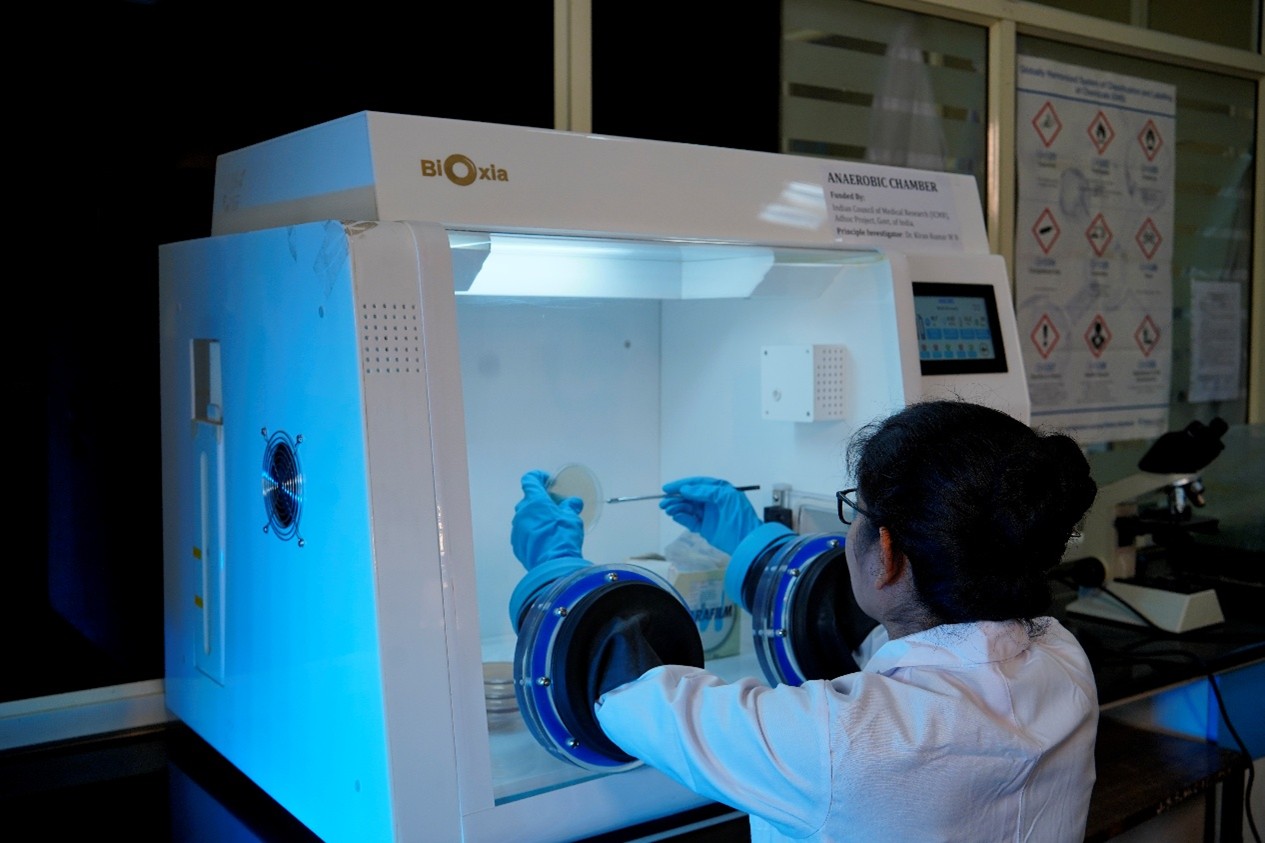
The Department investigates water- and air-borne infectious diseases such as leptospirosis using molecular biology and proteomic approaches for rapid detection, characterization, and identification of disease-associated biomarkers.
Environmental Biotechnology and Phytoremediation
Research focuses on arsenic and fluoride contamination in groundwater and agricultural systems. Sustainable phytoremediation strategies are explored to minimize toxic metal accumulation and develop safer crop systems.
Pesticide Toxicology and Neurobiology
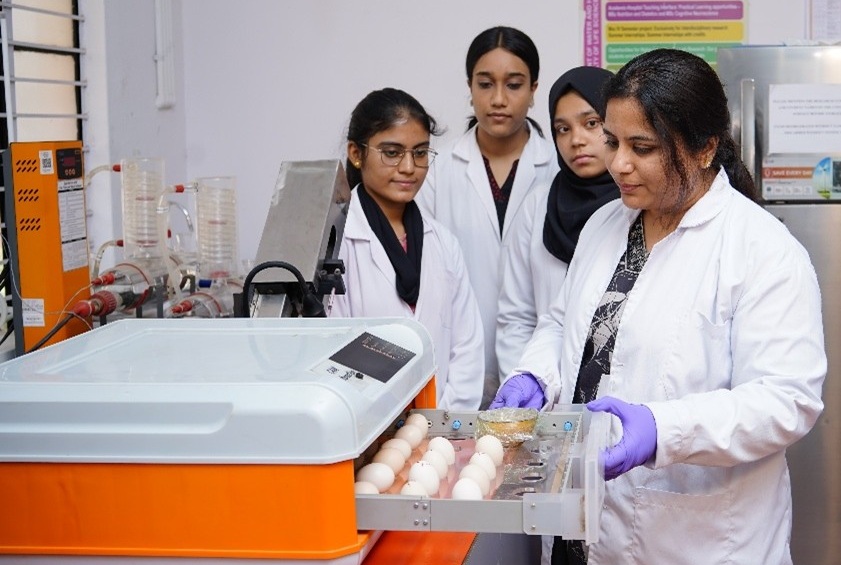
Studies are conducted on the harmful effects of organophosphate pesticides on neurological and retinal development using chick embryo and retinal model systems, with emphasis on understanding toxicity mechanisms and therapeutic interventions.
Allergy and Immunology Research
The Department works on Immunoglobulin E (IgE)-mediated allergic diseases caused by food, airborne, and insect allergens. Research efforts include the development of rapid, cost-effective diagnostic kits for community-level healthcare applications.
Bioinformatics and Computational Biology
Computational tools and in-silico approaches are employed in genomics, proteomics, molecular modeling, biological data analysis, and disease prediction studies to support modern biological research.
Proteomics and Translational Research
Advanced proteomic techniques are used to identify disease-related proteins and molecular targets with potential applications in diagnostics, therapeutics, and public health management.
The Department promotes collaborative and innovative research supported by national funding agencies, encouraging students and scholars to contribute towards sustainable scientific and societal development.
Facilities
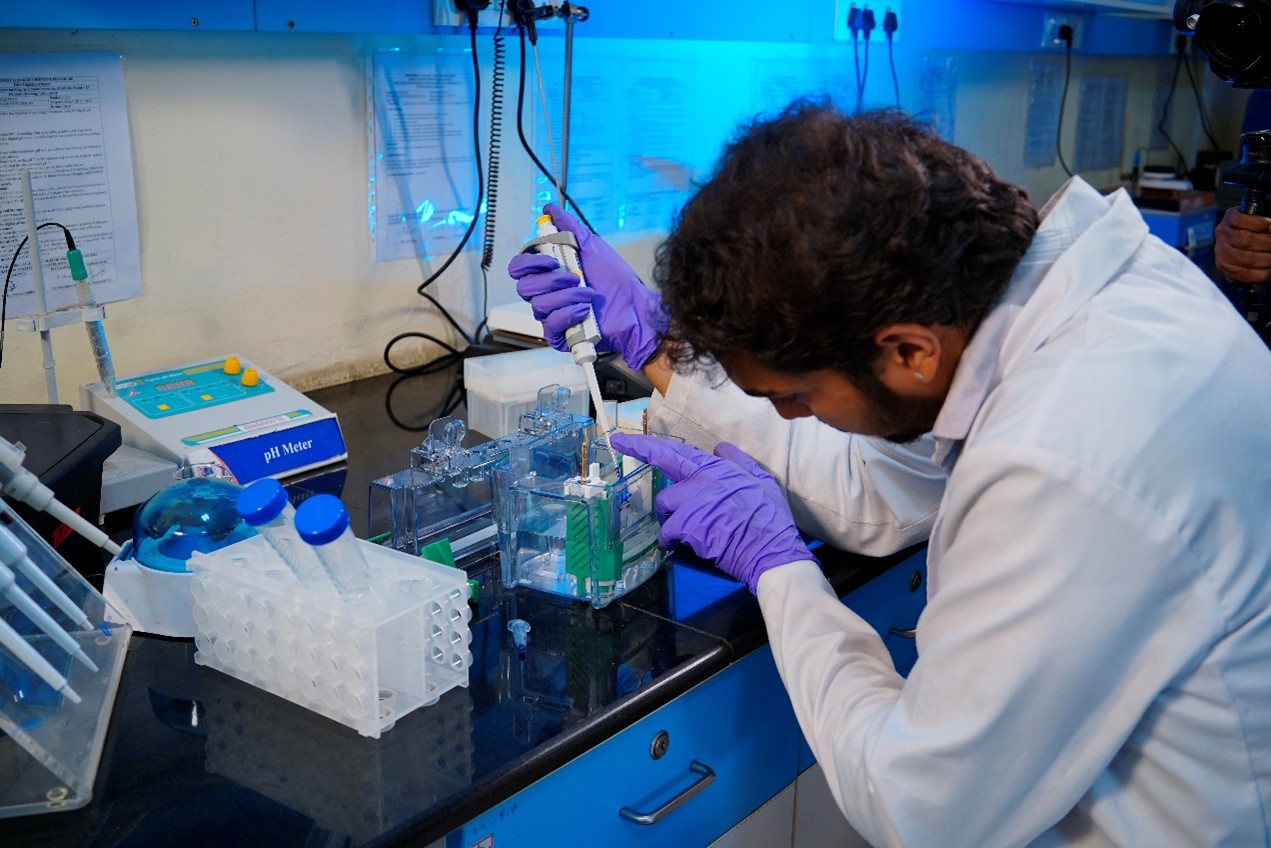
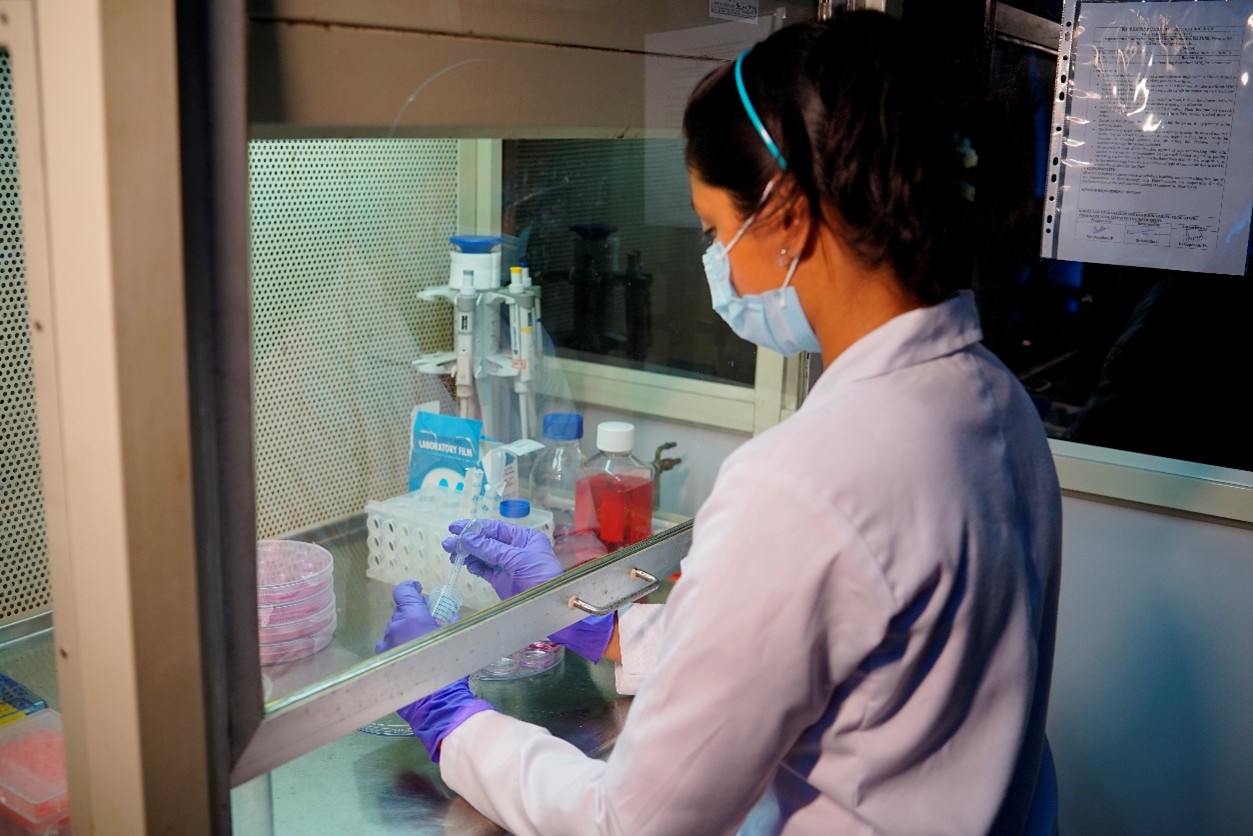
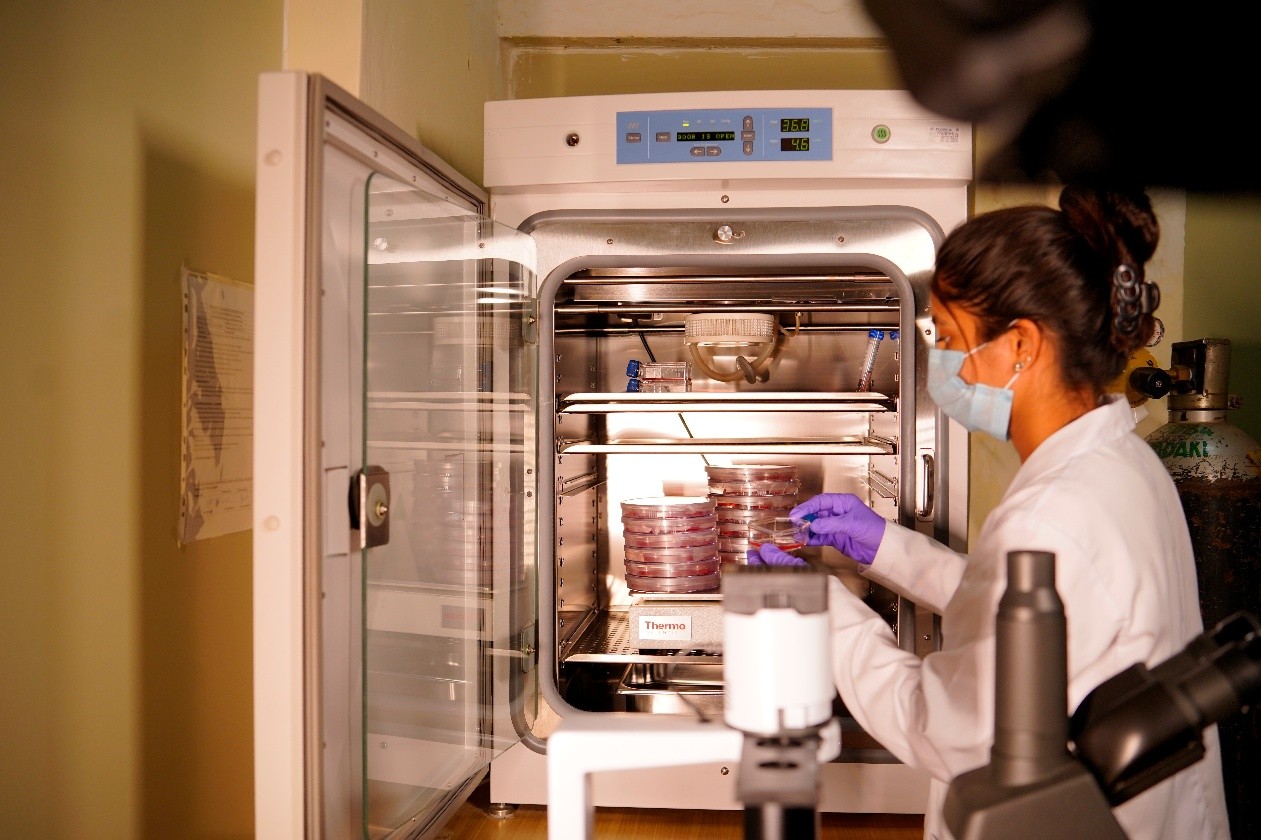
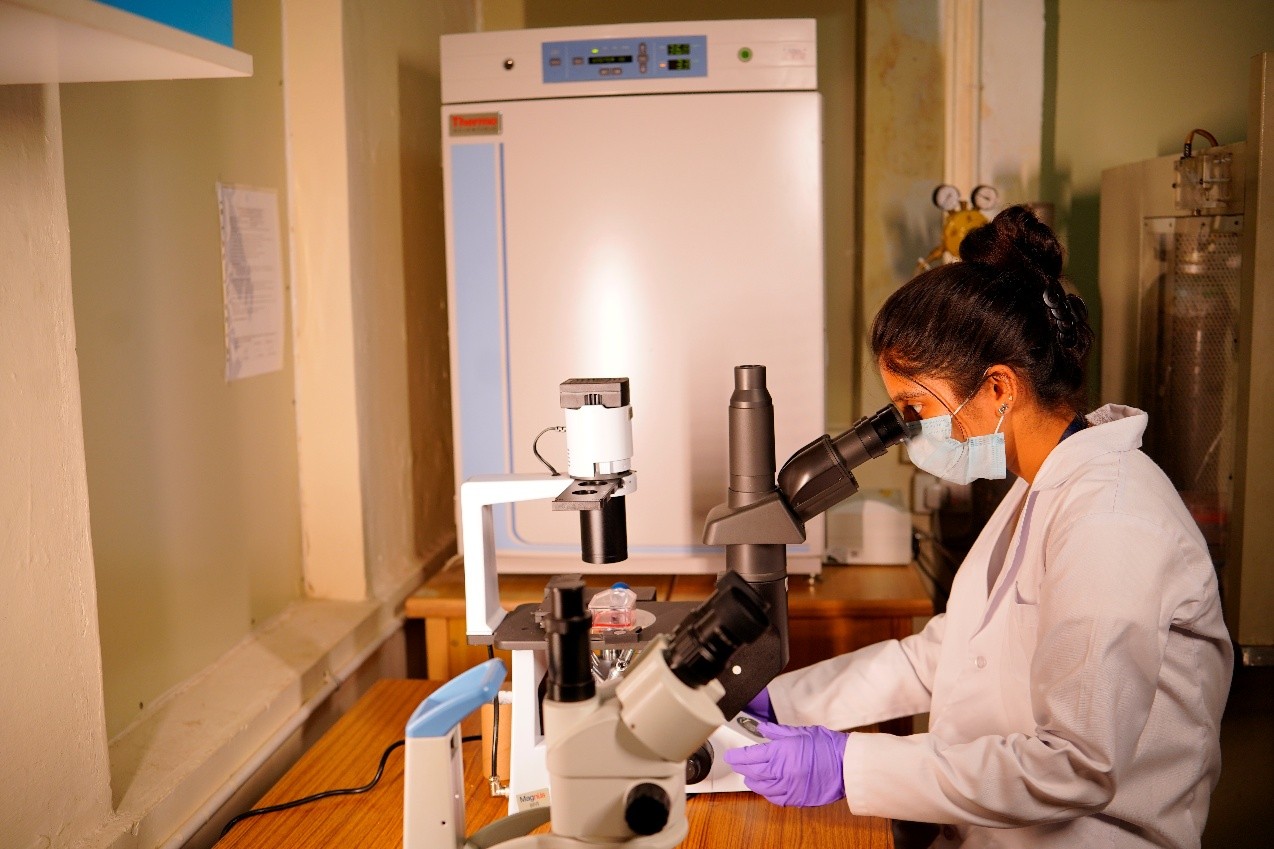
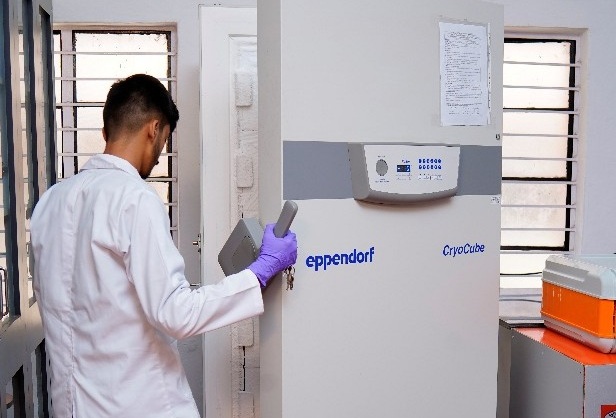
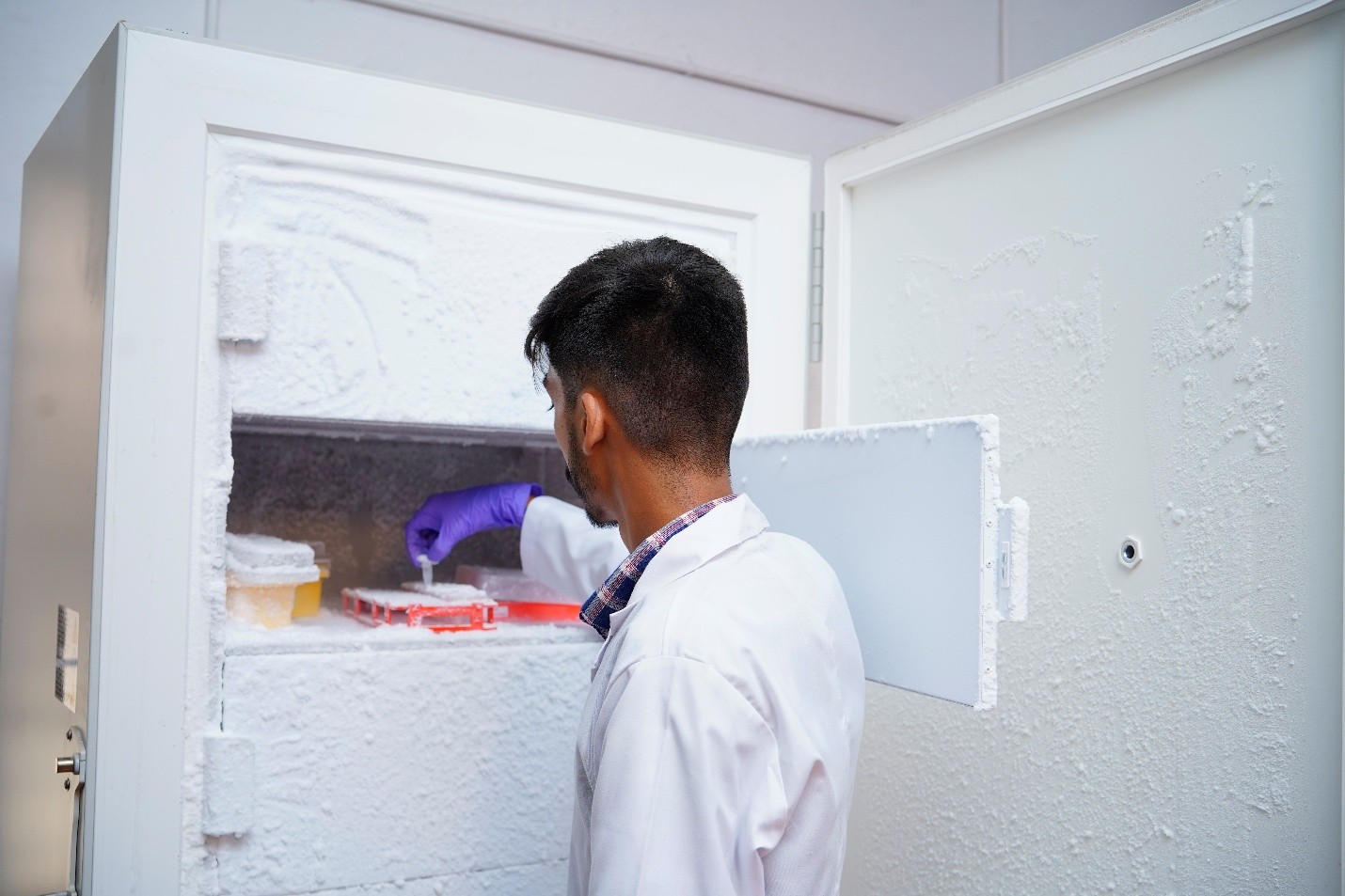
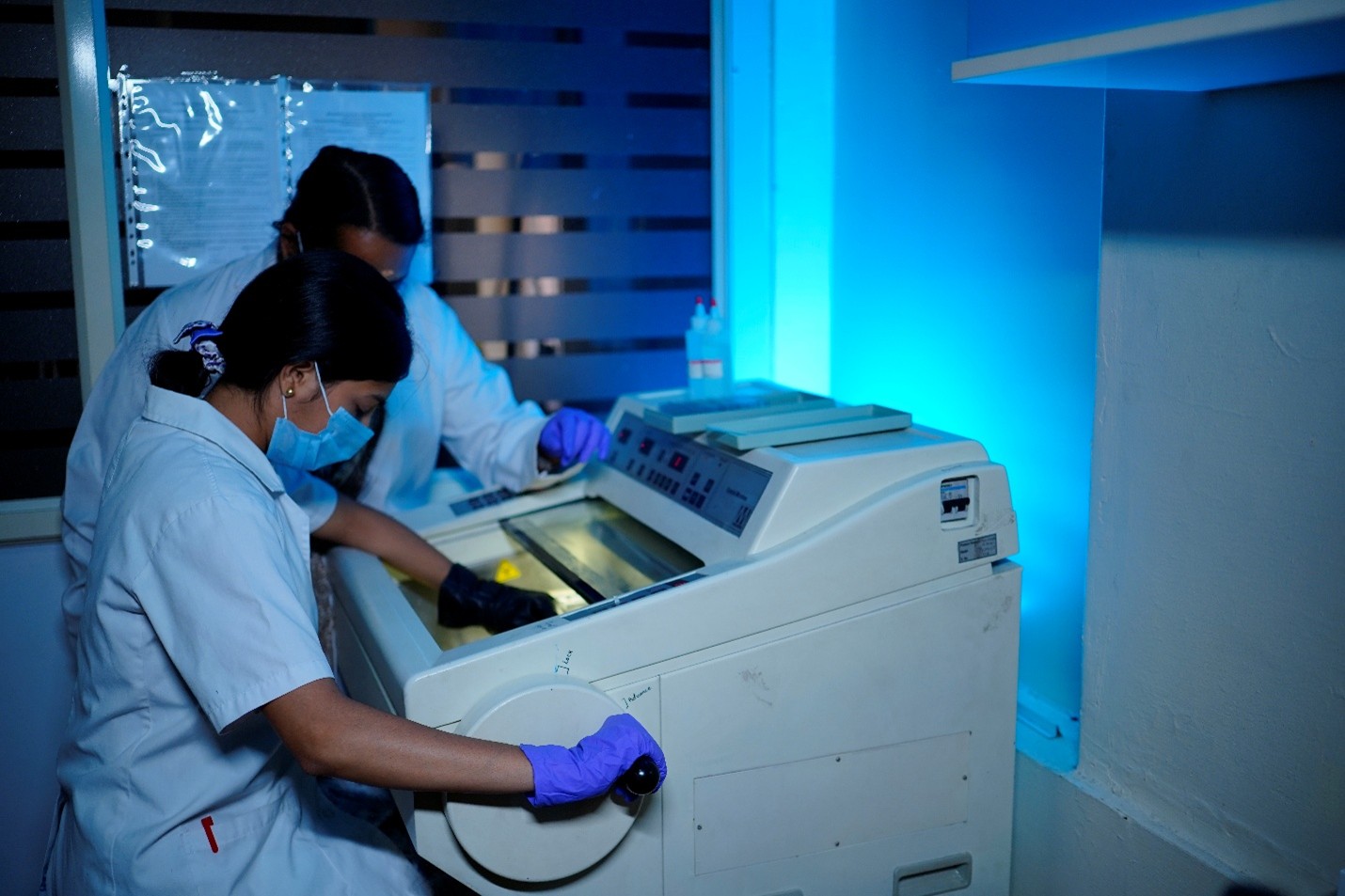
- Biotechnology Laboratory equipped with animal cell culture facility, inverted and fluorescence microscope, cryostat, 2D-gel electrophoresis, PCR, and incubators.
- Bioinformatics Laboratory equipped with bioinformatics computational resources like Software to provide an assimilated environment for drug design (CADD) and docking, modelling and simulation solutions for biomolecules, comparative modelling using protein and genomic analysis
- Centralized Animal House